
by Mayank Yadav · Boilerplate
Next.jsReactTypeScriptTailwind CSS+3
$149

Astro templates deliver the fastest static sites available — zero JS by default, Lighthouse 100 scores, and MDX content support out of the box. Filtered to Next.js listings only — 8 match. Next.js is the default full-stack React framework — and the most common foundation for SaaS boilerplates, dashboards, and content sites on CodeCudos.
8 quality-scored listings.




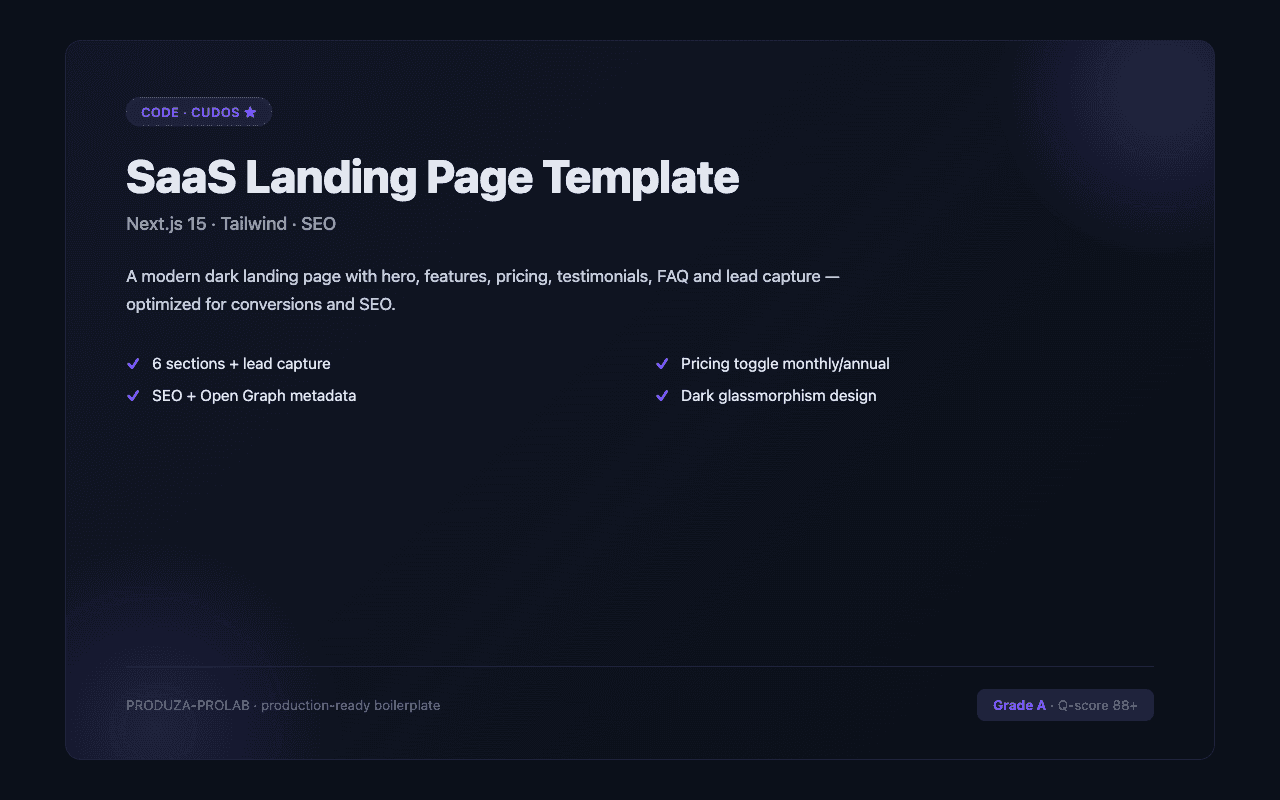
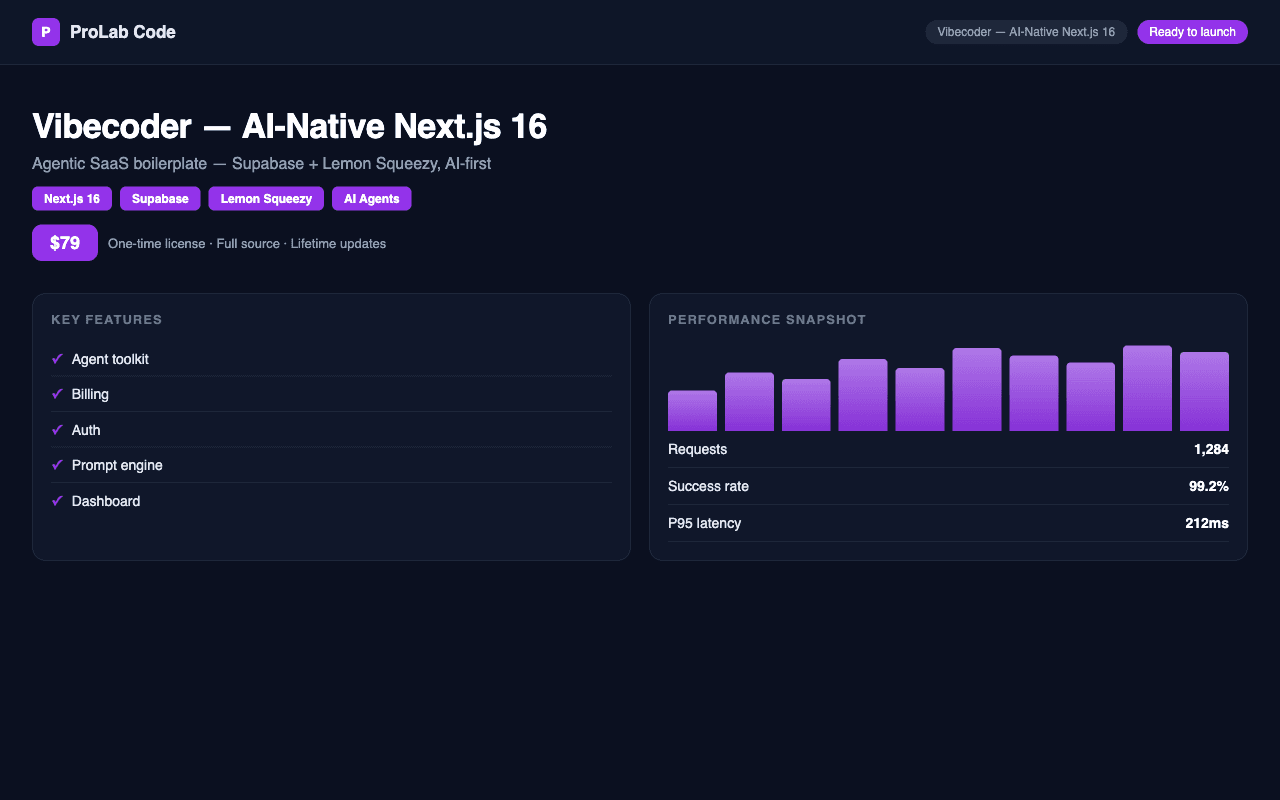
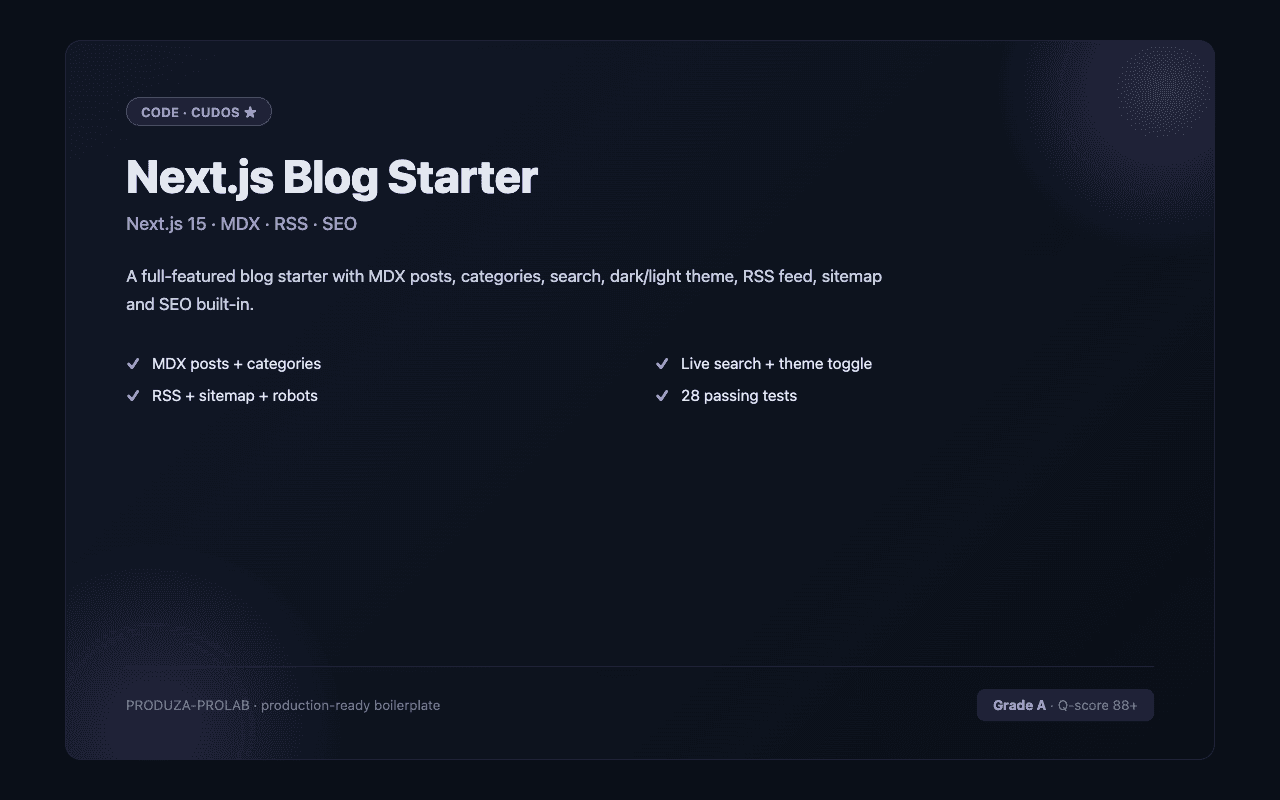
Astro's partial hydration ('islands') model makes it the best framework for content-heavy sites in 2026: marketing pages, blogs, documentation, and portfolios load faster than React equivalents by sending zero JavaScript by default and hydrating interactive components only when needed. Quality Astro templates on CodeCudos ship with MDX configured for blog posts or documentation, Tailwind CSS for styling, SEO metadata components (Open Graph, Twitter card, canonical URLs, sitemap), and dark mode support. The best templates also configure image optimisation through Astro's built-in Image component and include structured data for blog posts or products. Look for Astro 4 or later — Astro 3 templates are still functional but miss the performance improvements in the image and content collections API. Pair an Astro template with a headless CMS (Sanity, Contentful, or Hygraph) if you need non-developer content editing. For the Next.js subset specifically, the strongest listings target current Next.js versions, ship with TypeScript types where applicable, and document any framework-specific gotchas (deployment adapters, runtime requirements, etc.). Check the quality score and the listing's stack tags before buying — a "Next.js" tag confirms it works in the Next.js ecosystem natively.
Next.js is the most-traded stack on CodeCudos for astro templates. Picking a Next.js-based listing means the code drops into your existing Next.js project without framework-level rewrites — and the ecosystem of complementary libraries (auth, payments, ORM) is mature and well-documented.
Yes — Astro supports React, Vue, Svelte, and Solid as 'islands'. You import and use them inside .astro files with a client:load or client:visible directive. Most Astro templates come with React support pre-configured.
Excellent. Astro renders HTML on the server by default, which search engines crawl instantly without waiting for JavaScript. Combined with fast load times and Lighthouse 100 scores, Astro sites typically rank faster than SPA equivalents.
App Router is the current default. New listings should target App Router with server components. Pages Router listings work but are on the legacy side of the curve.
Most full-stack boilerplates do — typically NextAuth, Auth.js (the rename), or Clerk. Component-only listings usually don't.
Request a refund within 14 days from your dashboard. We'll approve refunds when the code doesn't match the listing description or has critical bugs that prevent normal use.