by Mayank Yadav · Boilerplate
Next.jsReactTypeScriptTailwind CSS+3
$149

A Next.js blog template gives you the content pipeline, SEO metadata, and reading experience already built — so you write posts, not infrastructure. Filtered to Node.js listings only — 9 match. Node.js listings cover REST and GraphQL APIs, microservices, background workers, and full-stack apps paired with React or Next.js.
9 quality-scored listings.
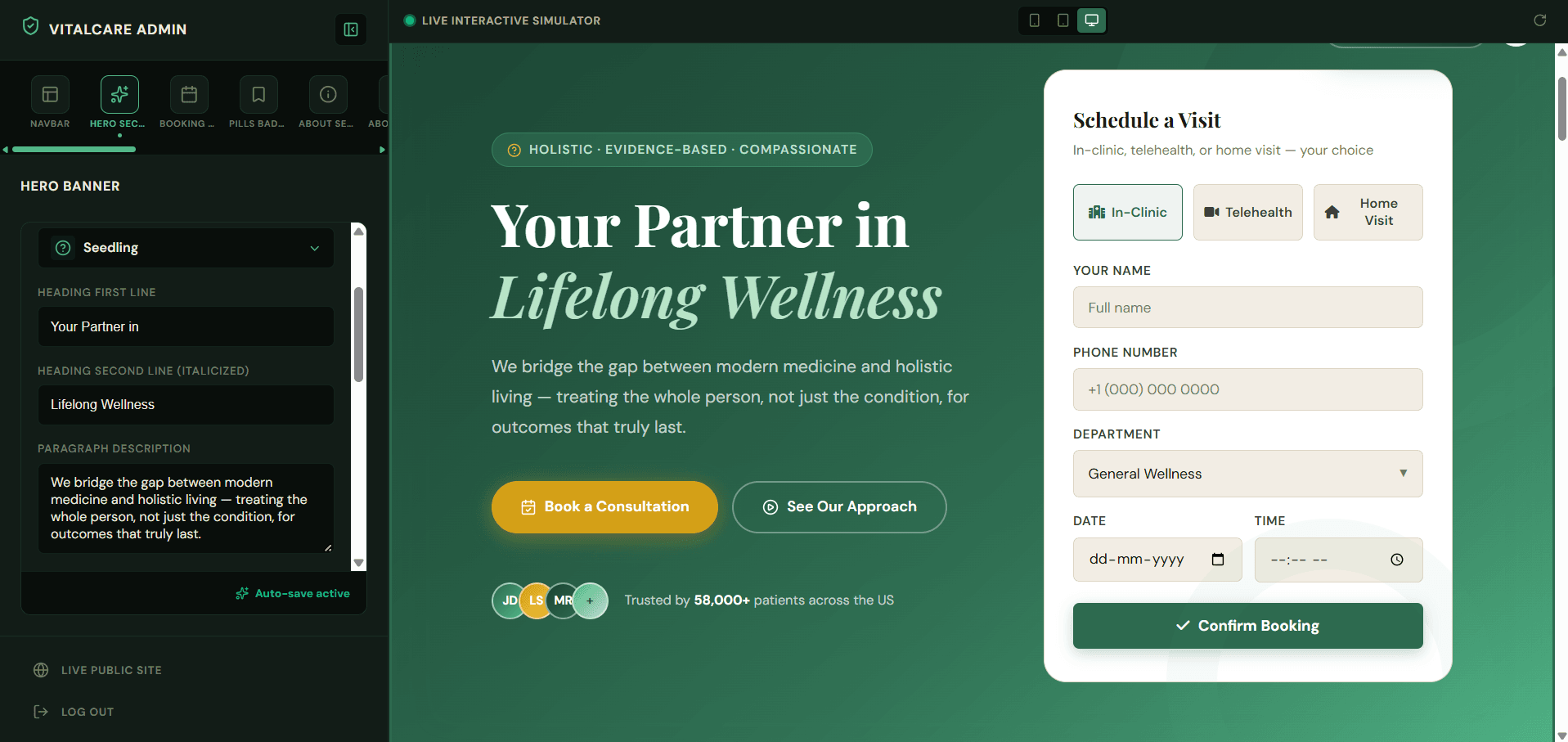
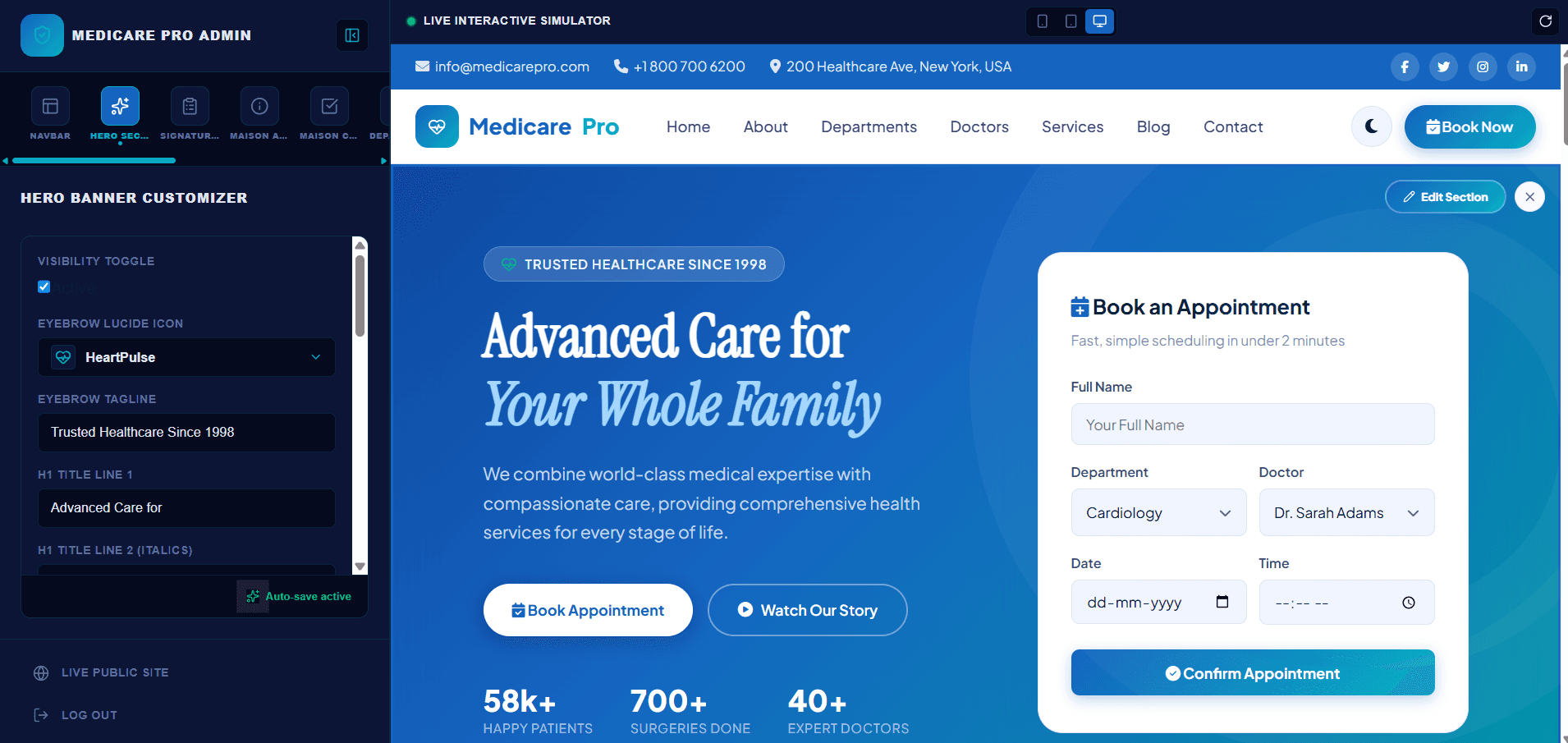




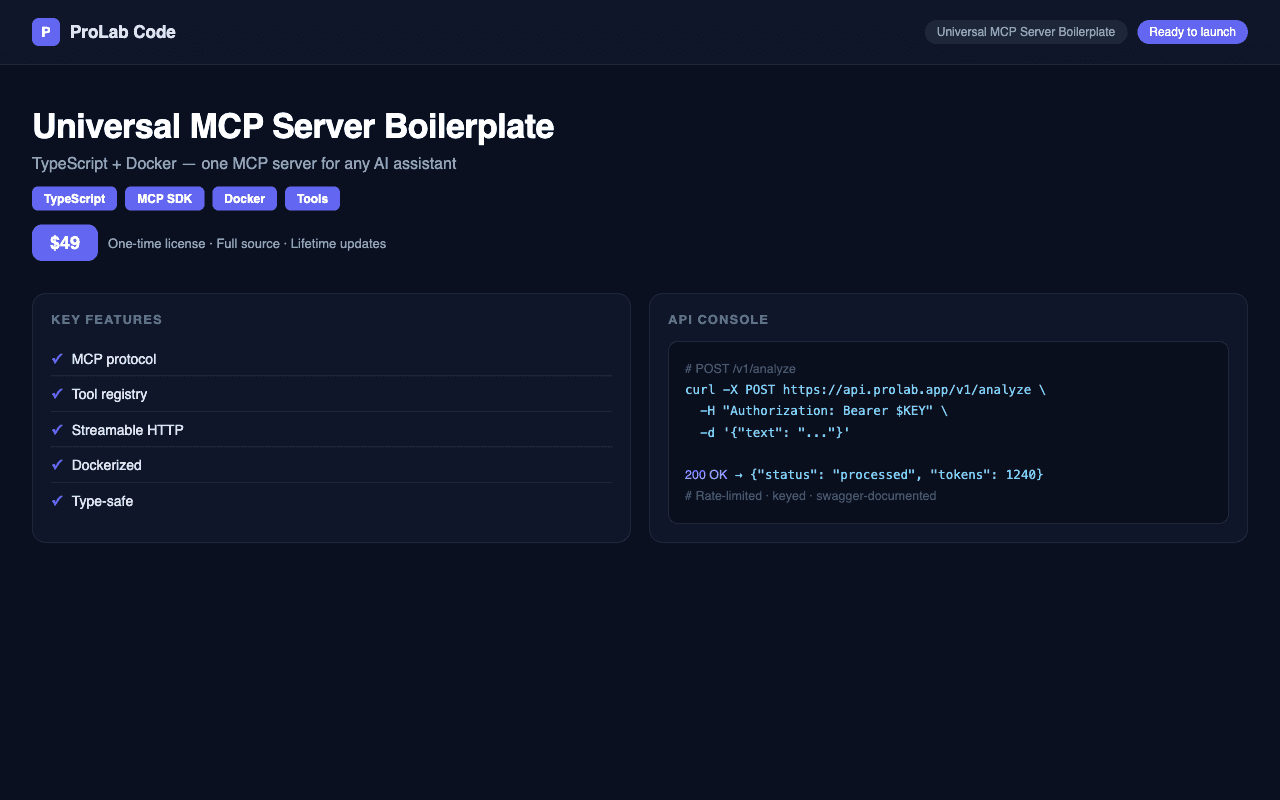
Quality Next.js blog templates handle the full SEO surface: metadata exports per post (title, description, Open Graph image, canonical URL), a generated sitemap.xml, structured data (BlogPosting JSON-LD), and RSS feed. The best templates use MDX for content — write Markdown, embed React components where needed (code demos, callout boxes, charts). Look for templates that implement proper reading time calculation, previous/next post navigation, and tag or category filtering. Image handling matters: posts should accept a hero image with automatic WebP conversion and blur placeholders via Next.js Image. For teams, look for templates with draft post support — posts not published don't appear in production but can be previewed locally. Avoid templates where all posts are in a single flat directory with no frontmatter validation — this breaks as the post count grows. For the Node.js subset specifically, the strongest listings target current Node.js versions, ship with TypeScript types where applicable, and document any framework-specific gotchas (deployment adapters, runtime requirements, etc.). Check the quality score and the listing's stack tags before buying — a "Node.js" tag confirms it works in the Node.js ecosystem natively.
Node.js is the most-traded stack on CodeCudos for next.js blog templates. Picking a Node.js-based listing means the code drops into your existing Node.js project without framework-level rewrites — and the ecosystem of complementary libraries (auth, payments, ORM) is mature and well-documented.
Most Next.js blog templates on CodeCudos are file-based (MDX files in the repo). Some integrate with Sanity, Contentlayer, or Hygraph for a CMS editing UI. Check the listing description for 'CMS', 'Sanity', or 'Contentlayer' if you need non-developer editing.
Most don't include comments by default — they typically suggest Giscus (GitHub Discussions-based) or Disqus as an add-on. The better templates document how to add Giscus in a few minutes.
Express is the legacy default. Fastify is faster. Hono is the edge-native choice. Listings should declare their framework in the description.
Request a refund within 14 days from your dashboard. We'll approve refunds when the code doesn't match the listing description or has critical bugs that prevent normal use.