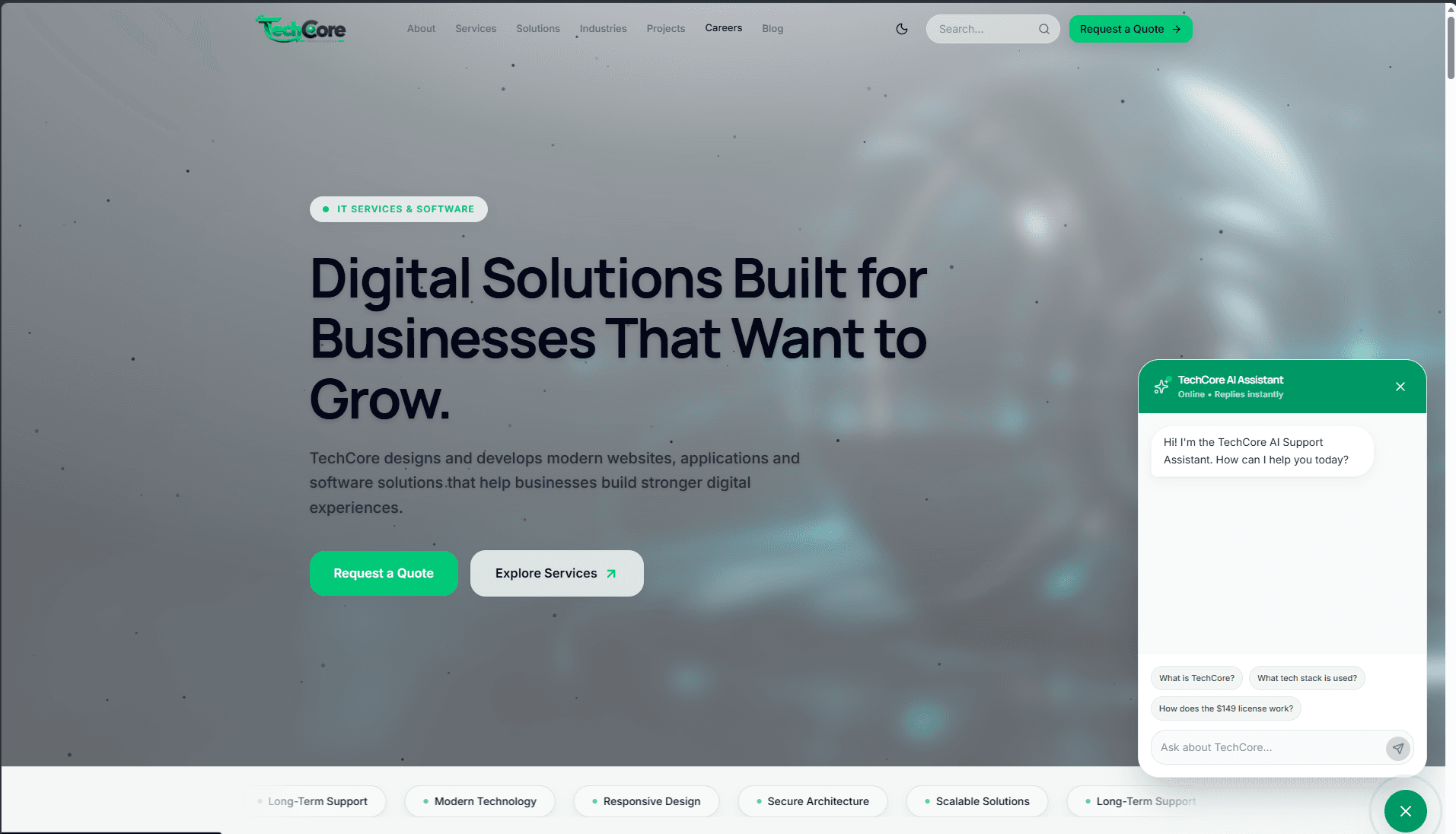
by Mayank Yadav · Boilerplate
Next.jsReactTypeScriptTailwind CSS+3
$149

A Next.js boilerplate gives you the App Router configuration, TypeScript setup, authentication, and database layer already wired — so you start on your feature, not your infrastructure.
7 quality-scored listings.


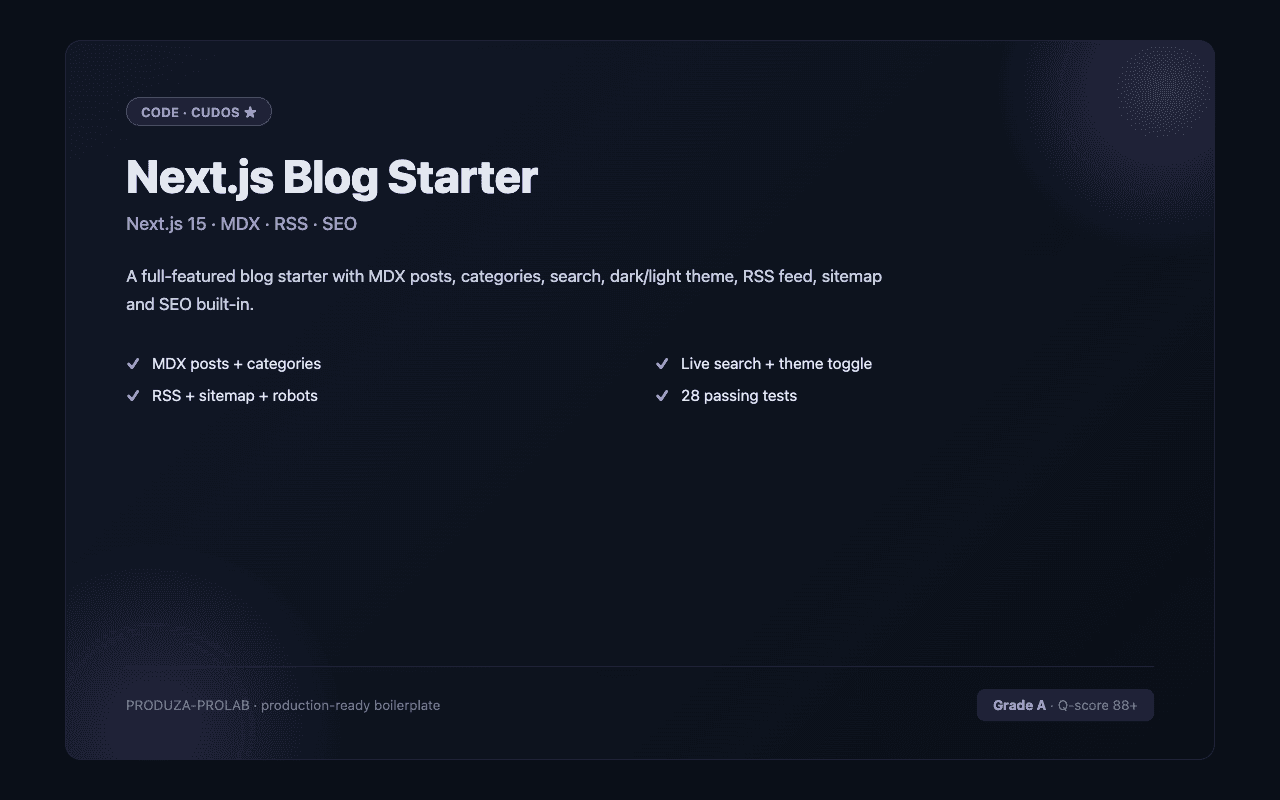
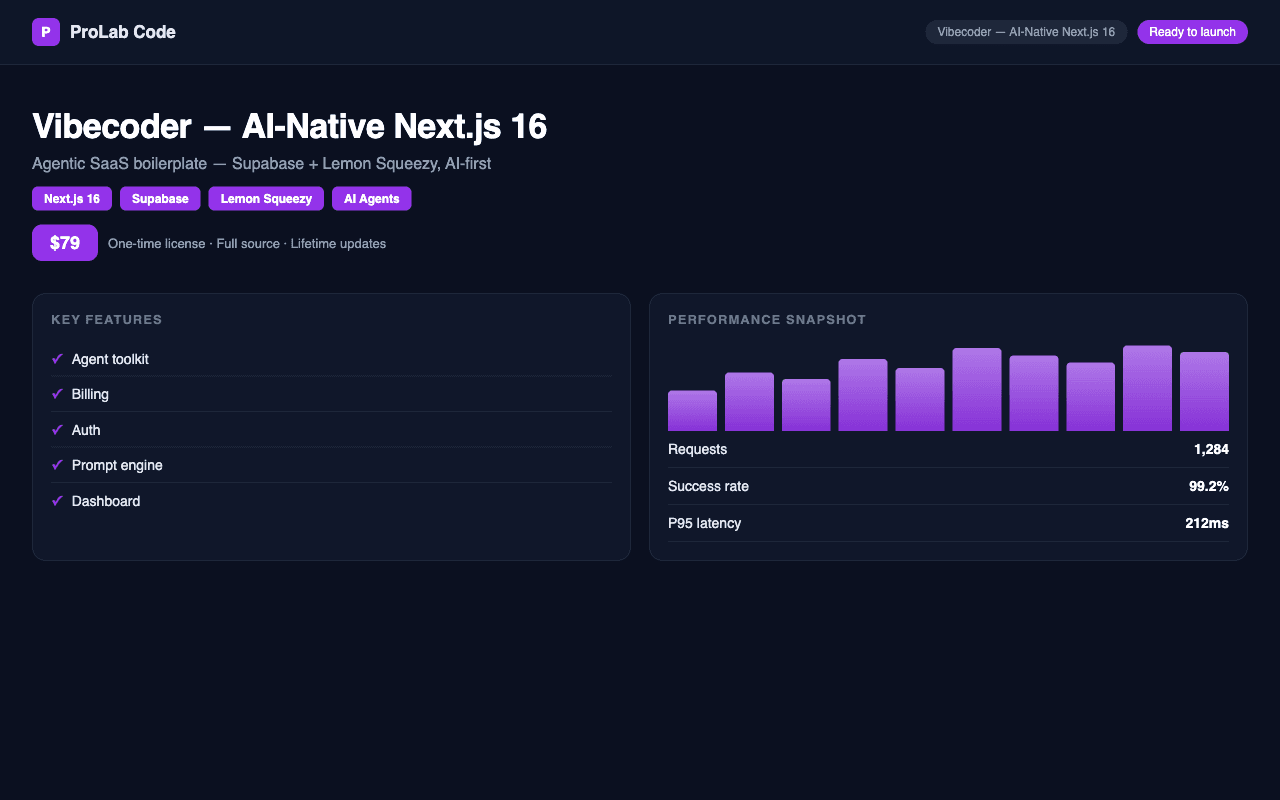
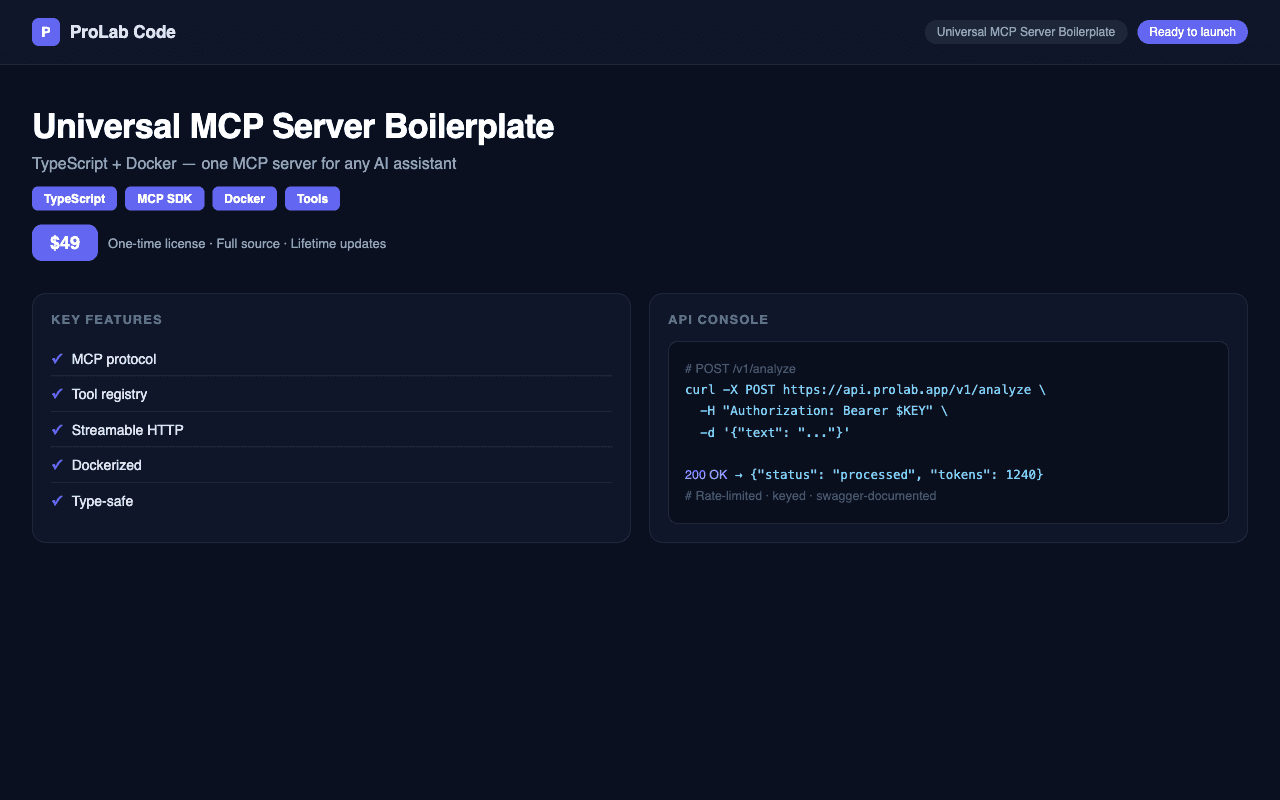
The best Next.js boilerplates in 2026 are built for the App Router (not Pages Router) with React Server Components, server actions, and route handlers. They use TypeScript with strict mode, Tailwind CSS for styling, and a working ESLint + Prettier config out of the box. Database options range from Prisma + PostgreSQL (most common) to Drizzle ORM or Supabase. Authentication is typically NextAuth v5 (Auth.js), Clerk, or Lucia. Look for boilerplates that include environment variable validation (usually Zod or t3-env), a pre-configured CI workflow, and a clear README with setup instructions. CodeCudos's quality analysis scores each listing on lint, security, dependencies, tests, and documentation — making it easy to compare boilerplates before you buy.
App Router for all new projects in 2026. Pages Router boilerplates are legacy — avoid them unless you have a specific compatibility requirement. Check the file structure: App Router projects have an 'app/' directory, not a 'pages/' directory.
TypeScript, ESLint/Prettier, Tailwind CSS, authentication (NextAuth or Clerk), a database ORM (Prisma or Drizzle), environment variable validation, and deployment config for Vercel. Everything else is optional.
1–3 days to swap branding, customize the color scheme, and write your first feature. The boilerplate saves you the week of wiring together auth, database, and deployment — you pick up from the first meaningful line of product code.