

TypeScript next.js e-commerce templates
A production-grade Next.js e-commerce template ships the storefront, product pages, cart, and Stripe checkout flow — cutting 6–10 weeks off your launch timeline. Filtered to TypeScript listings only — 7 match. TypeScript is the dominant language across CodeCudos listings — frontend, backend, and full-stack.
7 quality-scored listings.

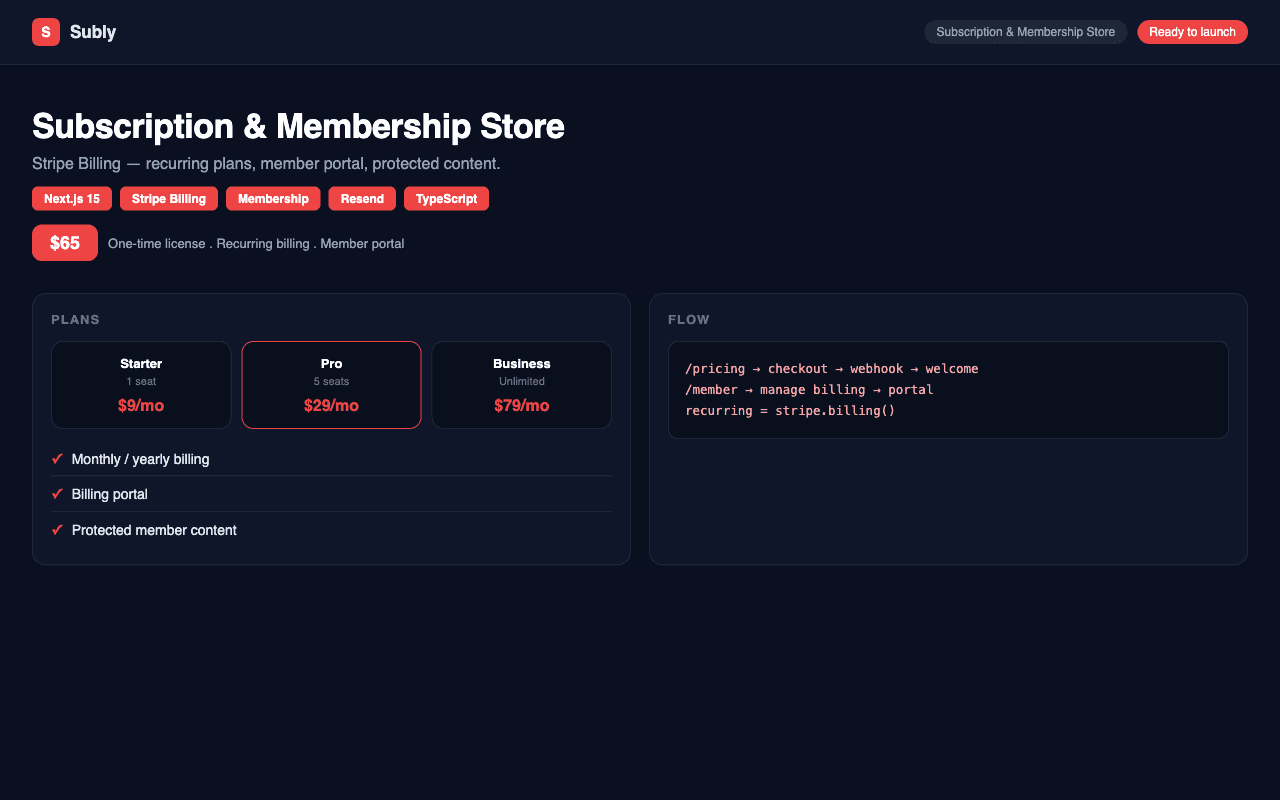
A92
by PROLAB® · E-CommerceVerified
ReactNext.jsTypeScriptTailwind CSS+1
$65
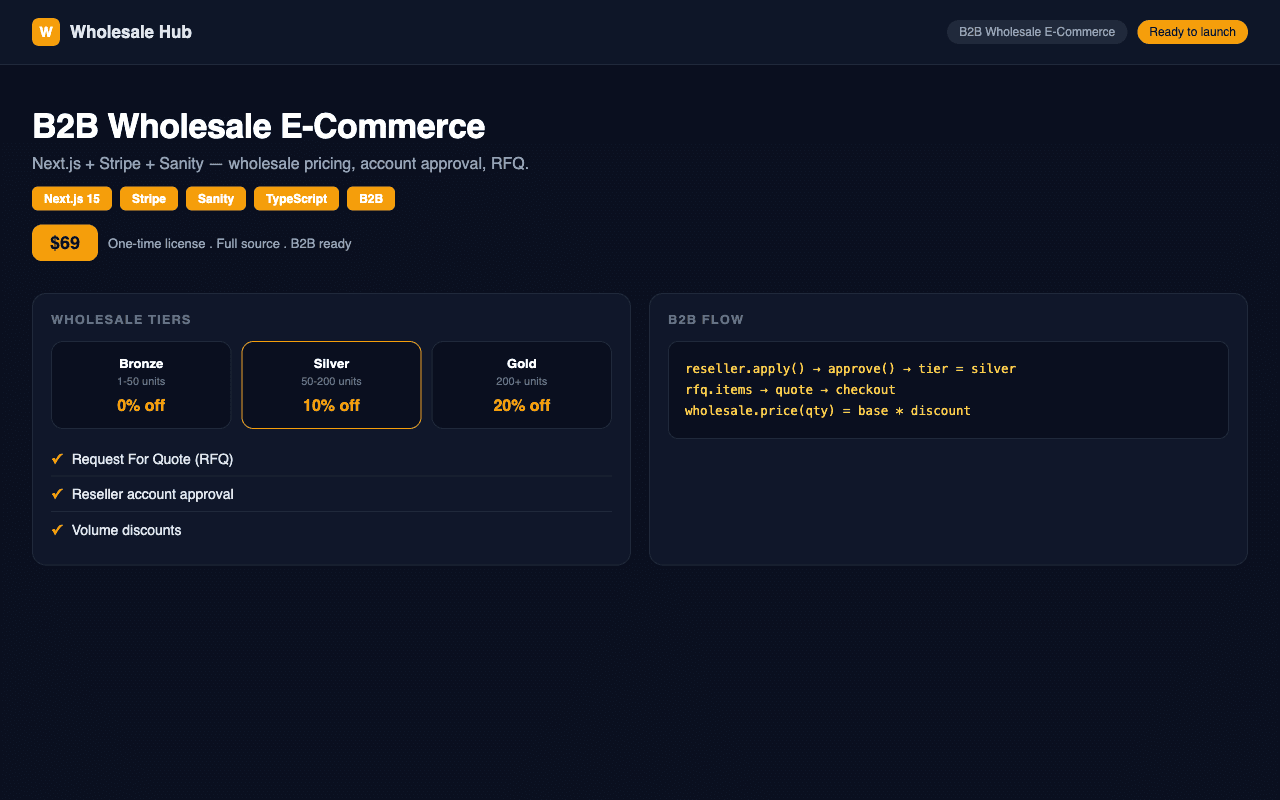
A90
by PROLAB® · E-CommerceVerified
ReactNext.jsTypeScriptTailwind CSS+1
$69
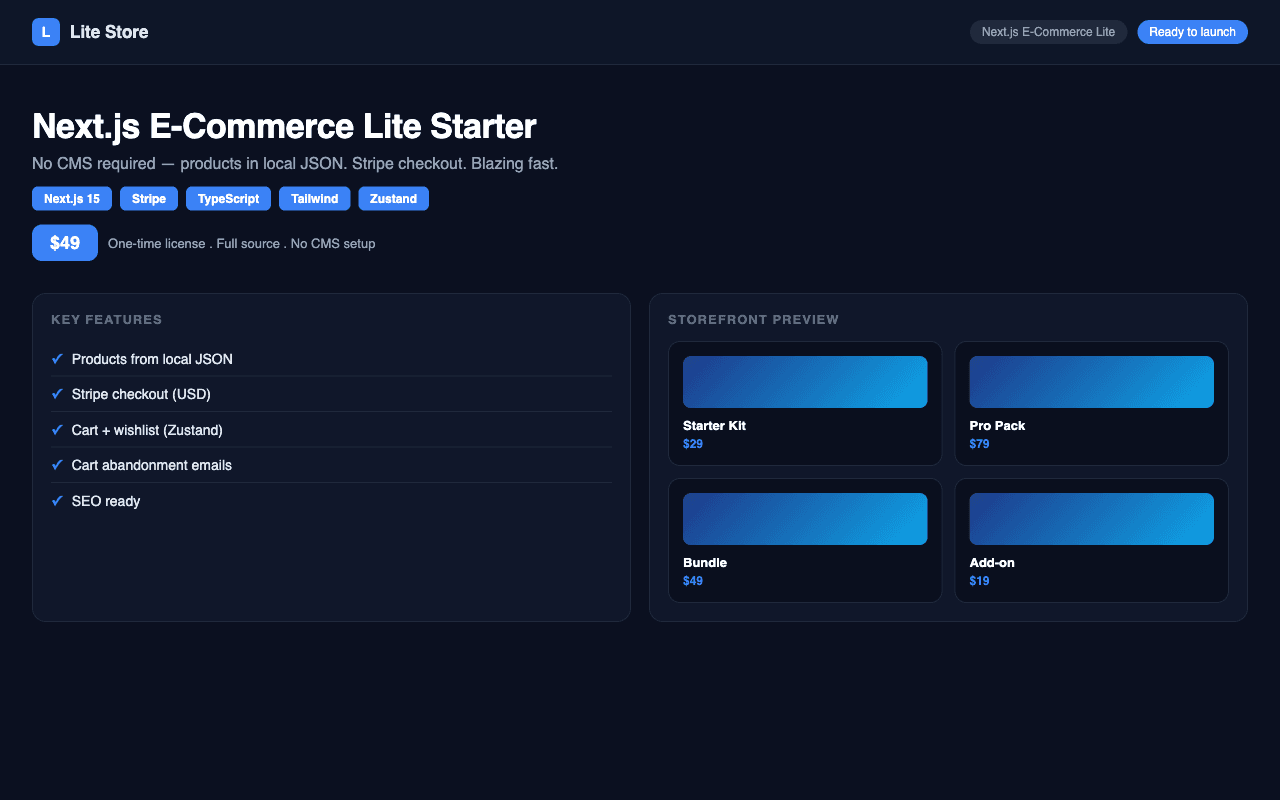
A90
by PROLAB® · E-CommerceVerified
ReactNext.jsTypeScriptTailwind CSS+1
$49
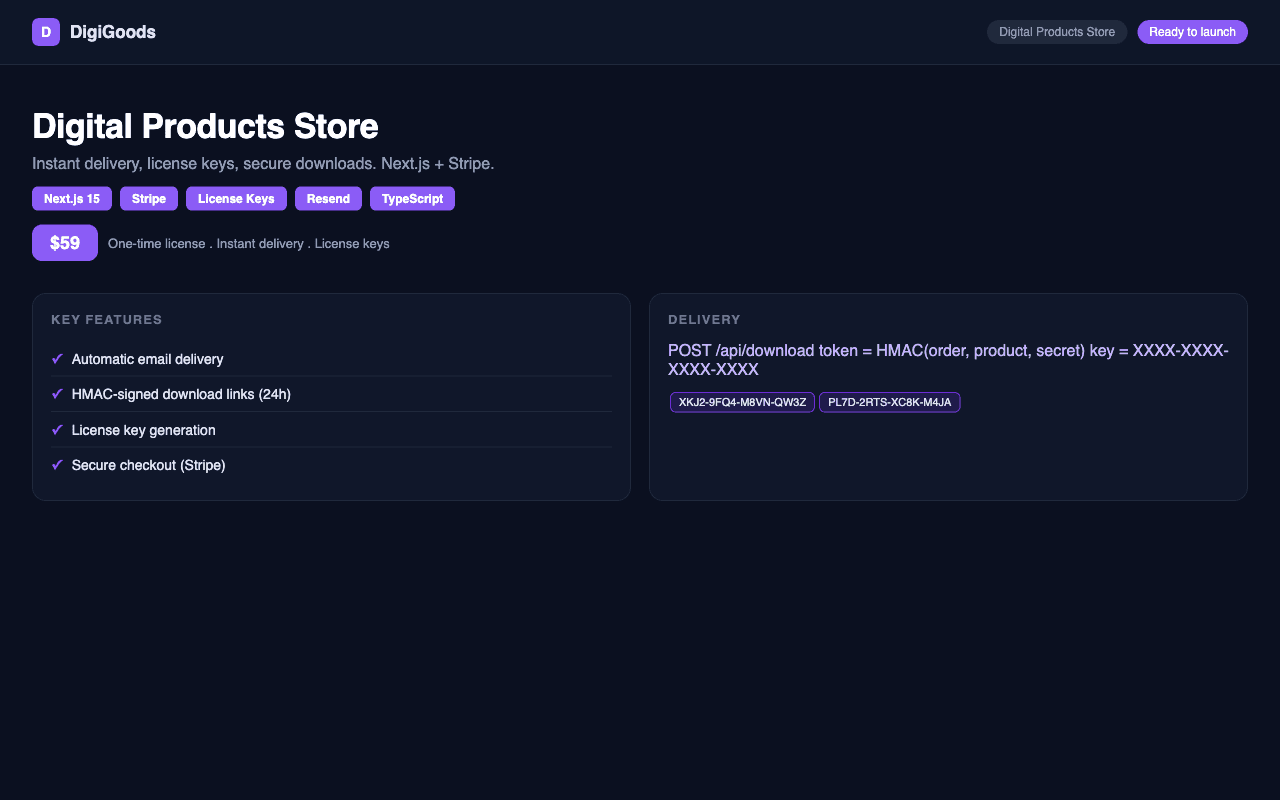
B88
by PROLAB® · E-Commerce
ReactNext.jsTypeScriptNode.js+1
$59
B86
by PROLAB® · E-Commerce
ReactNext.jsTypeScriptTailwind CSS+1
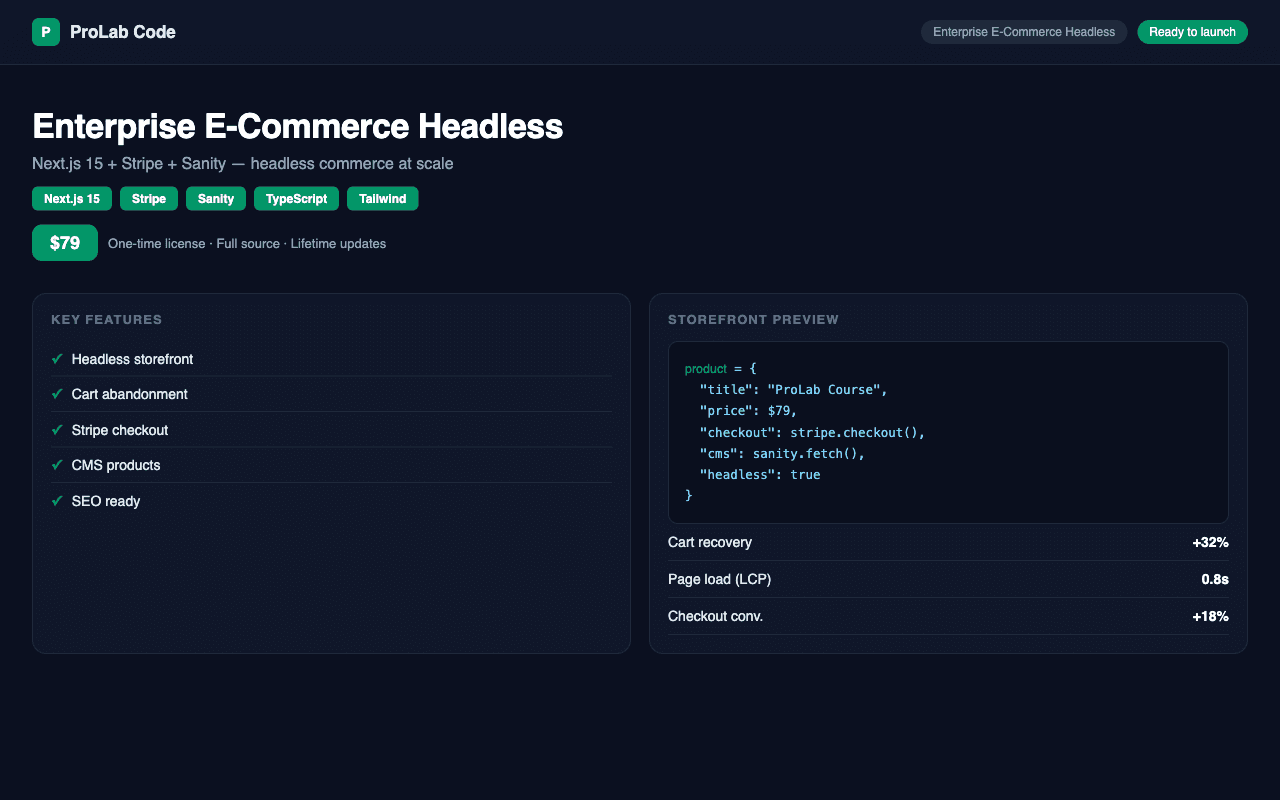
$79
Picking TypeScript for next.js e-commerce templates
Quality Next.js e-commerce templates handle the hard parts: Stripe webhooks for payment confirmation, stock management that doesn't oversell, order status emails, and image optimization via Next.js Image. The best templates use the App Router with server components for product pages (for SEO and fast load times), client components for the cart and checkout flow, and Prisma + PostgreSQL for inventory. Watch for listings that implement Stripe Checkout correctly — the webhook handler must verify the Stripe signature and handle idempotency, or you'll get duplicate orders and missed fulfillment. The CodeCudos quality scan flags insecure webhook handling before listing approval. For digital-product stores, look for listings with file delivery and download link expiry built in. For the TypeScript subset specifically, the strongest listings target current TypeScript versions, ship with TypeScript types where applicable, and document any framework-specific gotchas (deployment adapters, runtime requirements, etc.). Check the quality score and the listing's stack tags before buying — a "TypeScript" tag confirms it works in the TypeScript ecosystem natively.
Frequently asked questions
Why pick a TypeScript-based next.js e-commerce template?▾
TypeScript is the most-traded stack on CodeCudos for next.js e-commerce templates. Picking a TypeScript-based listing means the code drops into your existing TypeScript project without framework-level rewrites — and the ecosystem of complementary libraries (auth, payments, ORM) is mature and well-documented.
Does the template include a product CMS?▾
Most templates store products in the database with an admin panel. A few integrate with headless CMSes like Sanity for richer editorial control. Check the listing description for 'admin panel' or 'product management'.
Stripe or Shopify for a Next.js store?▾
Stripe for full code ownership and lowest fees on direct sales. Shopify Storefront API for headless Shopify with its checkout and fulfillment network. Stripe is more common on CodeCudos.
Is strict mode enabled?▾
Quality listings have strict: true in tsconfig.json. If you see strict: false, treat the type coverage as best-effort.
How does the 14-day refund work?▾
Request a refund within 14 days from your dashboard. We'll approve refunds when the code doesn't match the listing description or has critical bugs that prevent normal use.